
About actinocyst
We treat the overnight stop as a craft, not a blank on the map.
actinocyst began because the hardest part of many trips was never the open road. It was the last hour: finding a staffed desk, matching a name to a key, parking without blocking a door, and leaving before the hallway woke. This page explains how we work, what we check before we publish, and how a consultation is built from a real arrival problem rather than a generic itinerary.
How it started
Why hotel and motel nights became their own subject
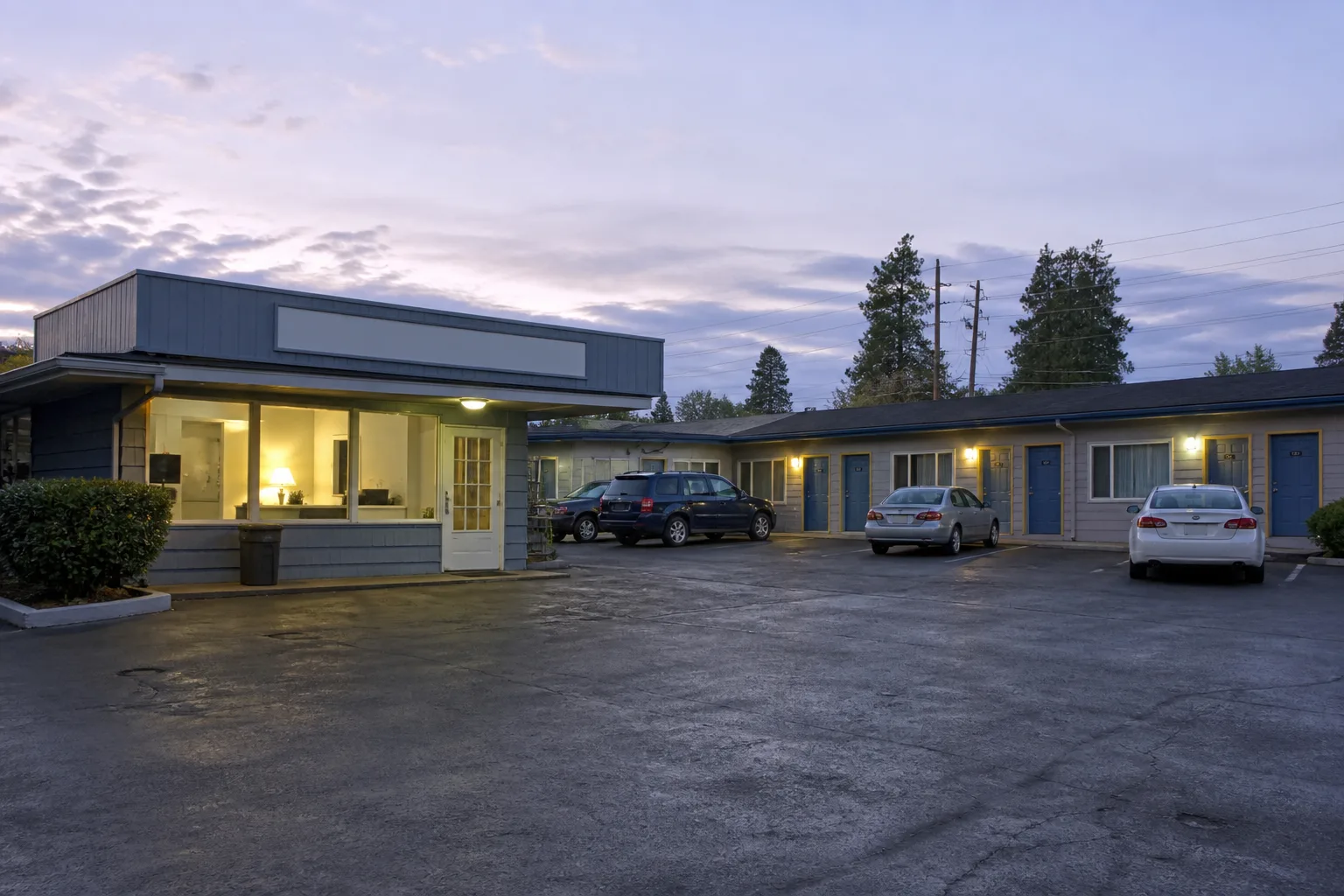
Early notes were written after ordinary work trips: a motor court where the office light was on but the inner door was locked, a downtown hotel that handed keys through a side window after midnight, a property whose breakfast began after every guest who needed an early exit had already left. Those snags kept repeating, and the advice online kept talking about destinations instead of the sequence at the counter.
We chose hotels and motels because they sit between a shared dorm and a private host key. There is a public desk, a numbered door, and often a stall painted for that room. That combination creates a rhythm that regulars know by habit and newcomers reconstruct under fatigue. Naming that rhythm felt more useful than adding another list of scenic stops.
actinocyst grew from those notebooks into a place for field comparisons and personal consultations. We still travel the same way: we check in through the ordinary door, ask the ordinary questions, and write down what the sign left out. The project is not a booking desk and not a review scoreboard. It is a record of how overnight lodging actually unfolds when the clock is late and the lot is half dark.
The focus stays narrow on purpose. We do not claim to cover every lodging type. We study staffed night stops, lockbox handoffs that still involve an attendant, ground-floor courts, and hotels whose lobbies empty while a night window remains open. That is enough work for one editorial desk.
Editorial method
How we gather and check information before it goes live
A note is only useful if someone can act on it at the curb. We write for that moment, then verify what can still change between trips.
Observation comes first. A team member arrives as a guest, not as an inspector with a clipboard. We note which door is lit, what the attendant asks for, how far the room sits from the office, and whether the ice room or breakfast area is still a place where people speak at normal volume.
Drafting comes second. We separate what we saw from what we inferred. If the posted hours did not match the light in the office, we say both things. If a stall was empty for late plates on one night and full on another, we describe the pattern without pretending it is a permanent rule.
Checking comes third. Before publication we re-read the note against the same checklist: desk access, key handoff, parking cue, shared rooms, and morning exit. We also mark what must be confirmed again with the property, because lockbox codes and breakfast times move. A consultation may reuse a checklist, but it never treats last season’s detail as current without a fresh call.
Corrections stay open. Readers who write after a stay can flag a change. We update the language when the change is verified, and we leave the educational framing intact: the site introduces patterns and services; it does not replace the night attendant in front of you.
From first note to plan
How trip preparation is built for the overnight stop
A consultation with actinocyst does not invent a full vacation. It builds a usable order for one night stop, from the last call on the road to the quiet drop of the key.
-
Clarify the snag
We ask what is actually unclear: late desk access, an unfamiliar lot, shared ice and coffee rooms, a first motel stay, or a morning that must stay quiet. A vague request for “travel tips” is narrowed until the overnight problem is named.
-
Match the layout
Motor court, city hotel, lockbox property, or mixed building with a night window each need a different map. We pick the closest format to what you expect and explain where the sequence usually bends.
-
Write the order of actions
You receive a short sequence: what to settle before the last hour of driving, what to place on the counter, how to find the door and stall, what to check in the first minutes inside, and how to leave without holding the morning line.
-
Mark what still needs a live call
Desk hours, codes, parking notes, and breakfast times are labeled as items to confirm with the property. The plan is a rehearsal, not a substitute for the person who still holds the key.
On the floor
Traveler ethics for a staffed night stop
- Respect the desk as work, not as a stage
- The attendant is closing a shift or covering two properties. Keep documents ready, ask one clear set of questions, and leave the counter free for the next guest. Arguing policy at midnight rarely improves the key handoff.
- Treat the corridor as shared quiet
- Hall talk belongs to daylight. Close doors gently, keep luggage wheels short, and skip ice runs if the machine sits under someone’s window. The goal is to pass through without becoming the night’s noise.
- Leave the lot readable for the next plate
- Park in the stall that belongs to the room when it is free. Do not invent a space in front of the ice room or idle under a neighbor’s window. If the painted stall is taken, ask the desk rather than improvising against the layout.
- Confirm local rules without borrowing status
- House rules, quiet hours, and checkout notes belong to the property. We teach how to ask for them and how to follow them. We do not teach how to bypass them or how to treat staff as optional.
Working with others
Partnerships we select and how we keep them useful
actinocyst works with a small set of organizations that help us refine checklists and compare layouts. Partners are chosen for practical overlap with overnight lodging, not for volume of mentions.
A partnership earns a place here only if it improves the clarity of a desk handoff, a lot map, or a quiet exit — not if it merely adds another logo to a page.
We review each collaboration against that test before any public note refers to it.
-
Northbound Lodging Brief
Shares anonymized desk-flow notes from motor courts and small hotels. Helps us keep arrival checklists aligned with how night attendants actually work when the lobby is empty.
-
Lane Corridor Field Library
Provides comparative floor plans and quiet-hours case notes. Useful when we explain why a ground-floor court and a tower hotel need different morning exit advice.
-
Atlas Guest Conduct Circle
A closed circle of writers and consultants who pressure-test ethics language. Keeps our traveler guidance free of tricks that would inconvenience staff or neighbors.
-
High Street Wayfinding Lab
Reviews how parking marks, ice-room signs, and night bells are read after dark. Informs the lot and shared-room sections of our consultations without turning them into design lectures.
We do not sell placements inside articles. If a partnership ends, references are removed or rewritten so readers are not left with a dead recommendation. Mentions of partners never replace the instruction to confirm live details with the property you will actually enter.
Contact Us
If a late desk, a confusing stall, or a first overnight stay is the part you want to walk through, send the layout you expect and the hour you plan to arrive. We reply with a practical sequence, not a packaged tour.
Contact UsRead the articles
Field notes on late arrival, parking by the door, shared ice rooms, and quiet morning exits are collected on the articles page. Each piece stands alone and stays within the overnight stop.
Learn MoreHow to read these materials
Information on this site is intended to introduce our consultations and to share knowledge about hotel and motel stays: desks, keys, rooms, parking, shared ice and coffee rooms, and morning checkout. The pages are educational and informational in character. They describe common patterns we have observed; they are not a substitute for the rules posted on a property or for the person at the night window.
Conditions change between trips. Desk hours, lockbox codes, breakfast times, parking notes, and house rules can shift without a public announcement. Confirm details directly with the property before you leave, then confirm again if your arrival time moves. A note that was accurate on one journey can be wrong on the next.
actinocyst does not manage hotels, issue keys, or operate a booking desk. We do not promise an easy night, a silent corridor, or a desk that matches its sign. We also do not treat lodging advice as guidance on rest, health, or fatigue after driving. For questions about sleep, stamina, or wellbeing, speak with the relevant specialists. For questions about a specific property, speak with that property.
Any decision about where to stay, when to arrive, and how to move through a building is yours. Read the materials, ask us for a consultation if the sequence is unclear, and then verify the live details yourself. actinocyst is not responsible for choices made on the road or at the counter.