Ice Rooms, Coffee Urns, and Corridor Quiet Hours
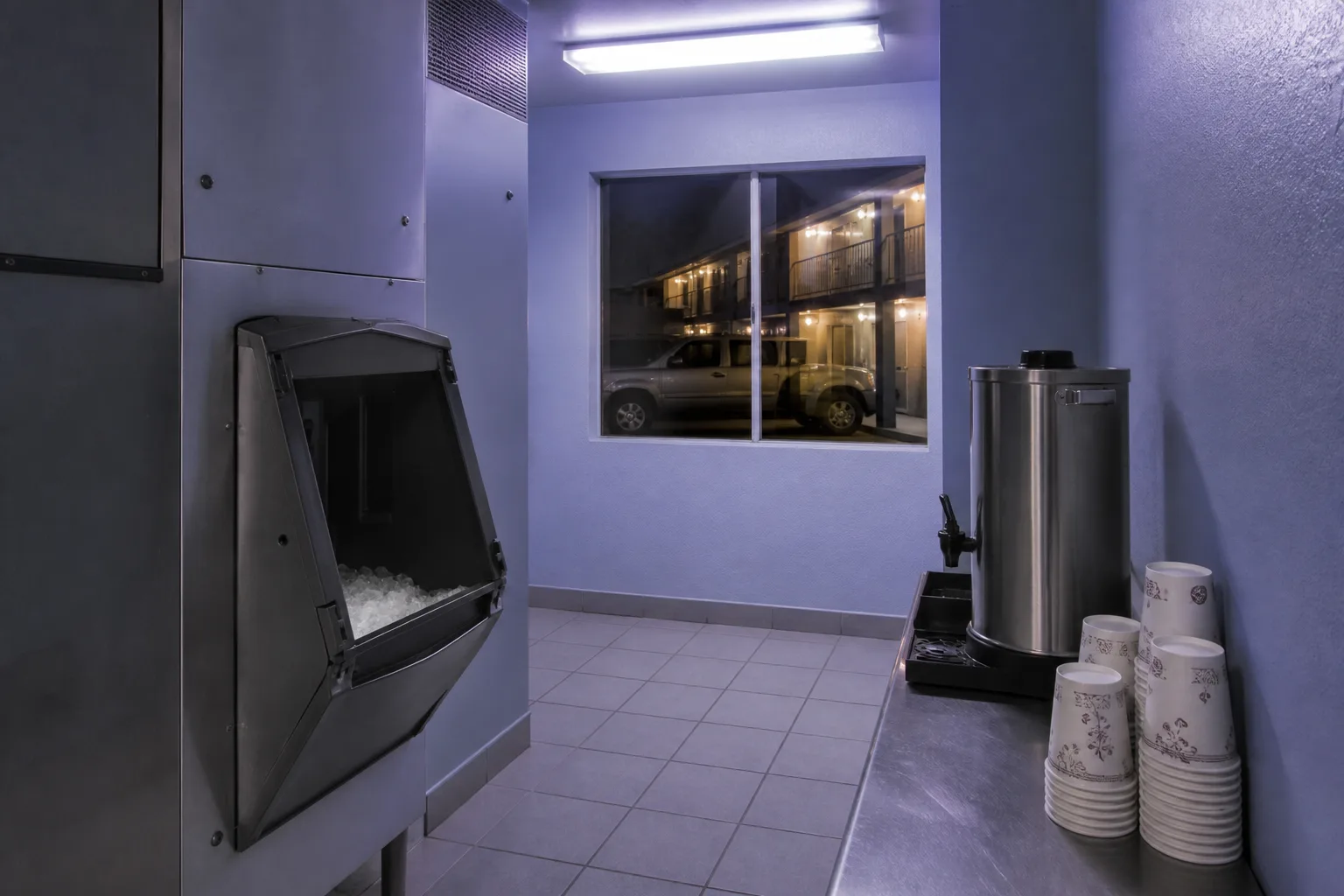
An ice machine and a coffee urn look like private conveniences until you stand in the doorway at midnight. They sit on shared floors, often under windows, and they carry sound farther than guests expect. This note is about using them without turning a short errand into the night’s noise.
Shared rooms stay public after the lobby empties
Once the desk light dims, guests treat ice and coffee rooms as if they were extensions of their own rooms. They are not. They are narrow public spaces with hard floors, metal lids, and doors that slam if you let them. Voices that feel soft in a carpeted corridor sound sharp under fluorescent lights.
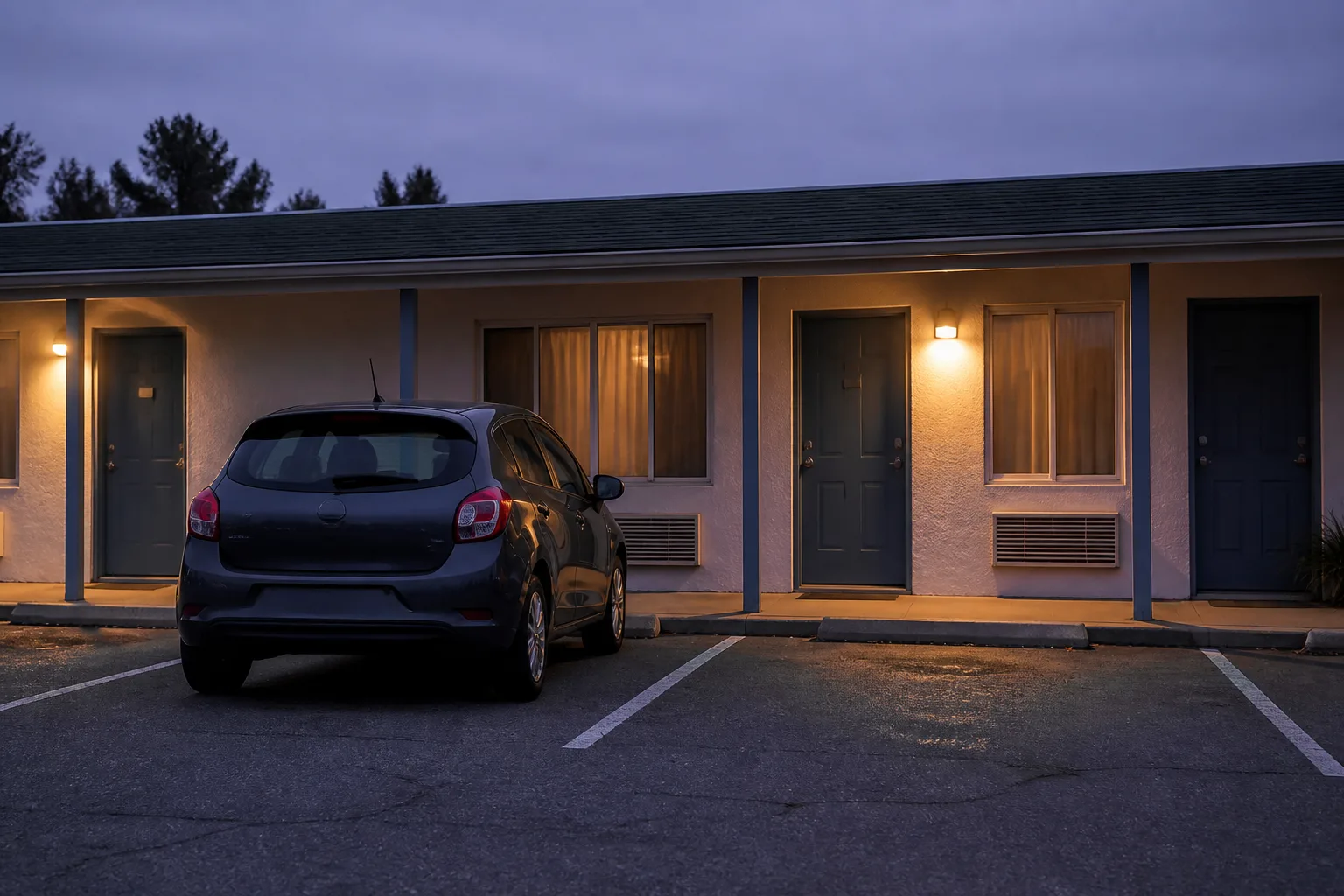
Motor courts often place the ice room between ground-floor doors. Tower hotels tuck coffee near the elevator bank. Both layouts punish lingering. The person who holds the door with a bag and chats about the next day’s drive is not being friendly in a vacuum. They are broadcasting into rooms that have already gone dark.
Quiet hours on a sign are a floor, not a ceiling. Many properties expect corridor silence earlier than the printed time, especially when rooms face the ice alcove. Read the card on the desk, then listen to the building. If the hallway is already still, match that stillness.
Map the ice room before you need it
The worst ice run is the one you invent after you are already thirsty and tired. On arrival, note where the machine sits relative to your door, the stairs, and any open windows. Ask the desk if the machine is restocked overnight or if it often runs empty. That one question saves a long walk past quiet rooms.
- Locate the ice room and the coffee station during daylight or just after check-in.
- Count the doors between your room and the machine so you can move without hesitation later.
- Bring a closed container if you can; open buckets spill and clang.
- Decide whether you truly need ice after midnight or can fill a bottle earlier.
- If the machine sits under windows, prefer an earlier visit over a late one.
When the machine is empty, do not slam the scoop tray in frustration. Return to your room and ask the desk in the morning, or call the night window if one is staffed. A second tour of the floor looking for another machine is louder than waiting.
The ice room is not a lounge. Fill what you need, keep the door from swinging, and leave the doorway clear for the next guest who also hoped for a quiet minute.
Coffee urns invite talk you do not need
Coffee stations feel social because people arrive at the same time with the same need. That is exactly why they become noisy. Cups stack, lids click, and strangers swap directions to the highway. After midnight, treat the urn like a queue, not a meeting place.
- Stand clear of the doorway so others can enter and leave without brushing past you.
- Skip long explanations of your route; a nod is enough.
- Replace the pot lid fully so the next person does not rattle it twice.
- Carry cups with both hands on stairs; spills create cleanup noise later.
- If breakfast hours start after your exit, do not force an early coffee raid that wakes the wing.
Some properties leave coffee out all night; others shut it down with the lobby. Confirm at the desk. An empty urn behind a locked alcove is not an invitation to knock on the office door for grounds.
Doorways, scoops, and the sounds people forget
Most ice-room noise is mechanical, not conversational. The scoop against the bin, the flap of the machine door, the bucket rim on a tile ledge, and the spring-loaded hallway door all travel. Slow those movements. Hold the hallway door until it latches softly. Set the bucket down instead of dropping it.
If children are with you, give them a job that stays quiet: hold the door open with a foot while you scoop, or wait inside the room. A race to the ice machine is entertainment for them and an alarm for everyone else. The same rule applies to phone calls. Step back into your room if you must talk.
Shoes matter more than guests admit. Hard heels on a tiled ice room announce every step. Soft soles and short visits are the simplest courtesy you can offer a floor that faces the alcove.
When silence is the real house rule
There are nights when the better choice is to skip shared rooms entirely. If your door sits beside the ice alcove, if the machine has been running empty and noisy all evening, or if the corridor already has a complaint history you overheard at the desk, fill what you need before quiet hours and stay put.
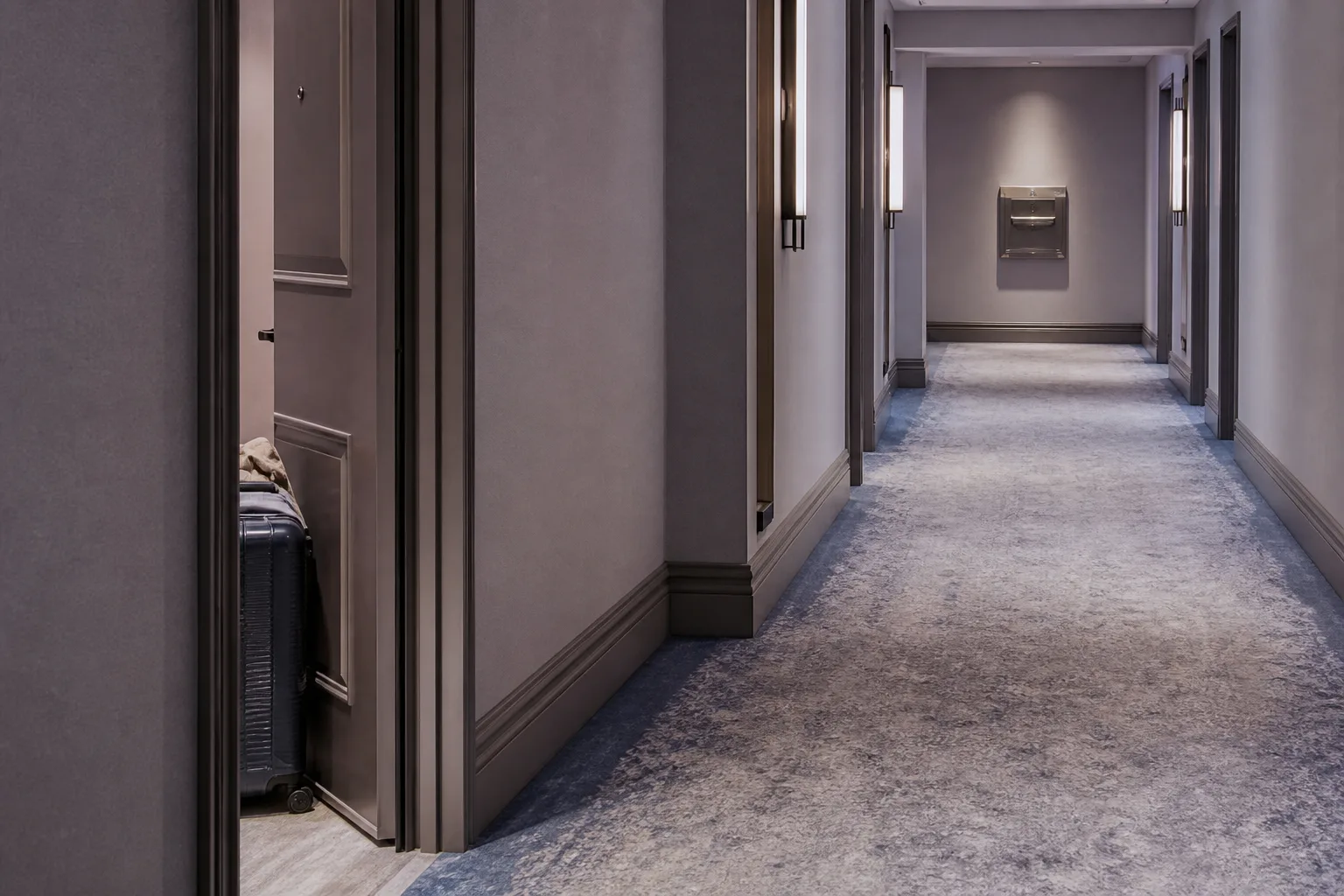
Corridor quiet is not only about ice and coffee. It includes how you return: key in hand, voice low, bag wheels lifted over thresholds. Guests who treat the shared rooms carefully and then shout outside their own door undo the care. Think of the whole path from room to machine and back as one continuous public space.
None of this replaces a property’s posted rules. Ask when the ice room is meant to be used, whether coffee runs overnight, and how complaints are handled. Then move like the hallway is a library after closing time: brief, careful, and finished before anyone has to ask you to be.