Parking by the Door Without Blocking the Night
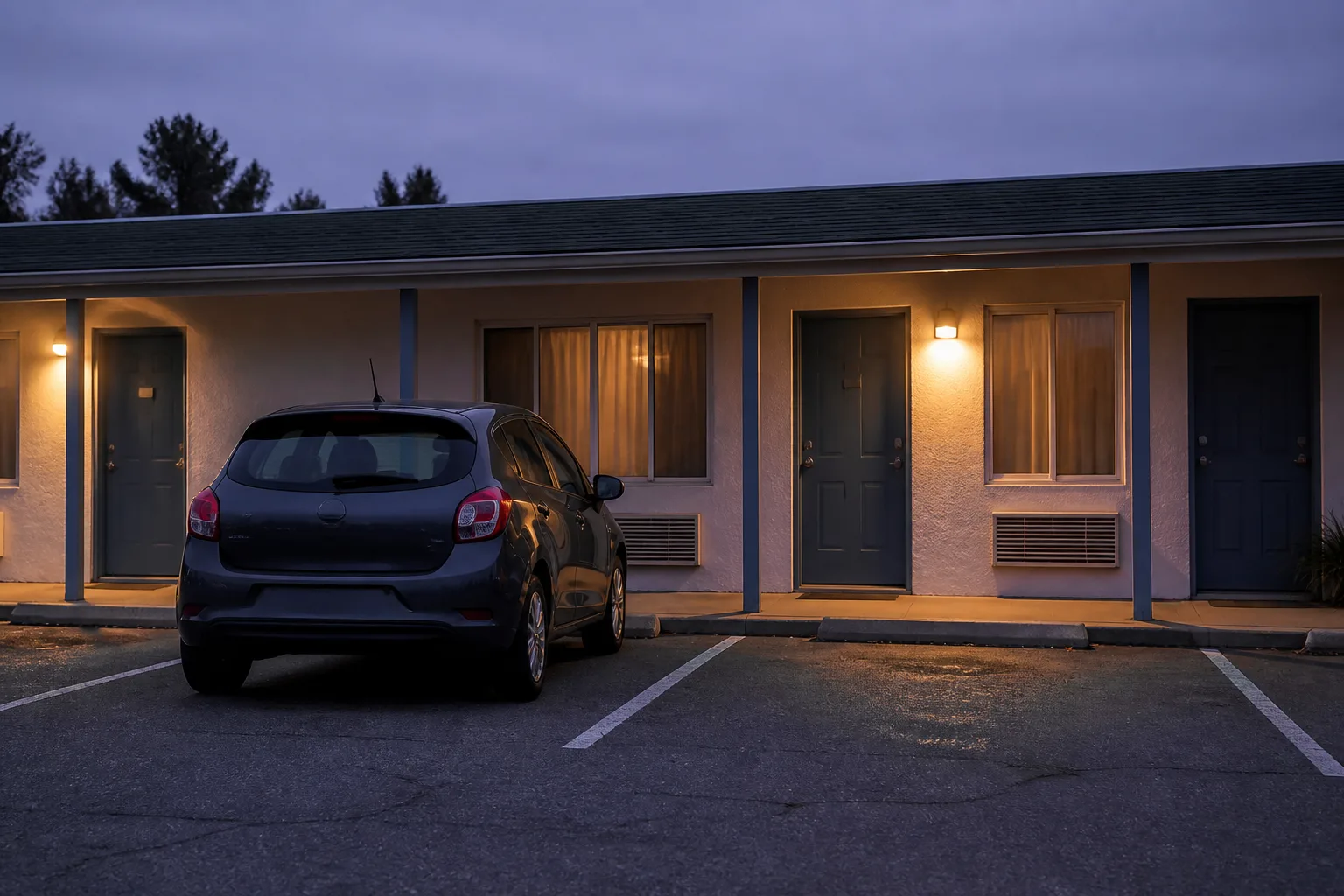
A painted stall by a numbered door looks simple until the lot is half full and someone has already straddled two spaces. Overnight parking is part of the stay: where the car sits, how the trunk opens, and whether the next late plate still has a place to land.
Read the lot the way the desk meant it
Ground-floor courts usually pair a room with one or two stalls painted for that number. City hotels may send you to a garage, a side lot, or a row marked for overnight guests only. Ask at the counter which mark belongs to your key before you invent a space in front of the ice room.
Late arrivals often find the closest stall taken. That does not make the unmarked curb fair game. Walk one bay farther, or return to the desk, rather than blocking a walkway that other guests still need in the dark. A two-minute walk with bags is quieter than a ten-minute argument with headlights aimed at someone’s window.
Some properties keep a few stalls unmarked on purpose for late plates. Others reserve them only for accessible rooms or staff. Guessing wrong is how a guest ends up apologizing at midnight. One question at the desk prevents that.
What counts as blocking a door
Blocking is more than parking on the welcome mat. It includes a nose that overhangs the sidewalk, a trailer tongue across a neighbor’s path, and an open trunk that forces people to step into the drive aisle. If someone with bags cannot reach their door without circling your bumper, you are in the way.
- Do not straddle two painted numbers to “save” a wider gap.
- Do not idle under a window while you rearrange the trunk.
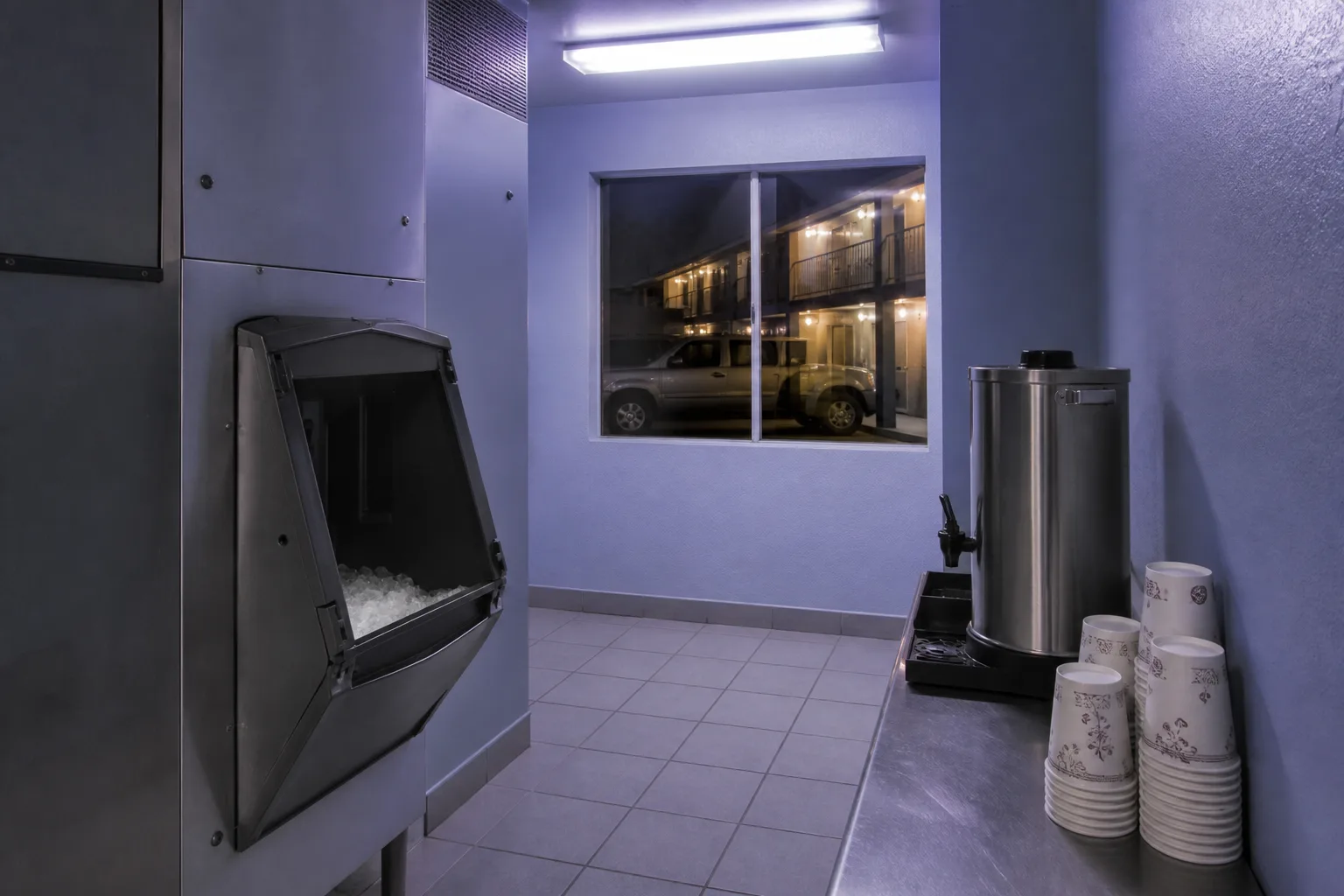
- Do not leave the ice-room bay empty of cars only to fill it with carts and doors left open.
- Do not park across a fire lane or a marked loading strip, even for “just a minute.”
Sound travels with the car as much as with voices. A reverse beep, a trunk slam, and a door that never quite latches all reach rooms that face the lot. Treat the stall as the first quiet room of the stay.
A stall kept free for late plates is not wasted space. It is the lot’s way of keeping the night from turning into a shuffle of engines outside quiet rooms.
A short order for first-time motor-court parking
- Match the room number to the stall mark before you unload.
- Pull in fully so bumpers clear the walk and the drive aisle.
- Unload once, close the trunk once, and move talk inside the room.
- If your stall is taken, ask the desk before inventing a new angle.
- In the morning, load away from windows when you can, then leave without a second idle.
Large vehicles need extra honesty. If your truck does not fit the painted bay, say so at the desk and accept a farther stall. Forcing a fit that overhangs two doors wakes more people than a short walk. The same rule applies to roof boxes and bike racks that swing into the walkway when a hatch opens.
Garages, overflow lots, and morning exits
When the property uses a garage, note height limits, overnight validation, and whether re-entry needs a code. Write the code down; phones die. Overflow lots that sit across a side street are still part of the stay—lock the car, carry only what you need for the night, and treat the walk back as corridor quiet once you reach the building.
Morning exits fail when guests leave the engine running while they return for a forgotten bag. Shut the car, finish the room, then leave. If two people are traveling, one stays with the bags in the room while the other brings the car closer only when both are ready to load. That single habit cuts the long idle that wakes ground-floor guests.
Confirm the property’s own parking note when you arrive; lots change, and a pattern from one trip may not hold on the next. The stall by the door is a courtesy when it is free, not a right you invent after the paint runs out.